Etier
CULTS & COUTURE: CROCODILE LEATHER
ENDURING ALLURE
As crocodiles have populated our planet for over 240 million years, it’s hardly surprising that reptile leather has a rich past. One of its first recorded uses as clothing dates back to the third century AD in Ancient Egypt, where it’s believed that crocodile sect priests wore imposing armour made from the prized skin to participate in military-style ceremonies.
Fast forward to the mid 1800s, and the first ever wave of commercial demand for crocodile leather arose in response to the American Civil War, as it was widely used in addition to alligator hide for durable boots, belts and saddles. Retaining post-war favour among affluent individuals for fashion, hunting, and travel accessories, its popularity later surged worldwide in tandem with the growth of global trade and advancements in tanning processes, securing its position as one of the world’s most coveted materials.
Its durability, softness and distinctive cracked texture has also made it a mainstay for high-fashion brands since the 1940s, however with an estimated total of only 750,000 crocodile hides produced each year, it remains highly exclusive.
ICONIC STATUS
The rarity of high quality crocodile skin means that it accounts for less than 1% of all leather used worldwide, elevating its allure among discerning clientele. Due to its scarcity and striking aesthetic, the natural material is also often reserved for the most sought after statement pieces, such as the famed Hermes Birkin bag. Named after actress Jane Birkin, the status symbol accessory is widely believed to be a better investment than gold, and a Diamond Himalaya Birkin 30 – crafted from Niloticus crocodile skin – became the world’s most expensive handbag in 2022 when it sold at auction for over $450,000.
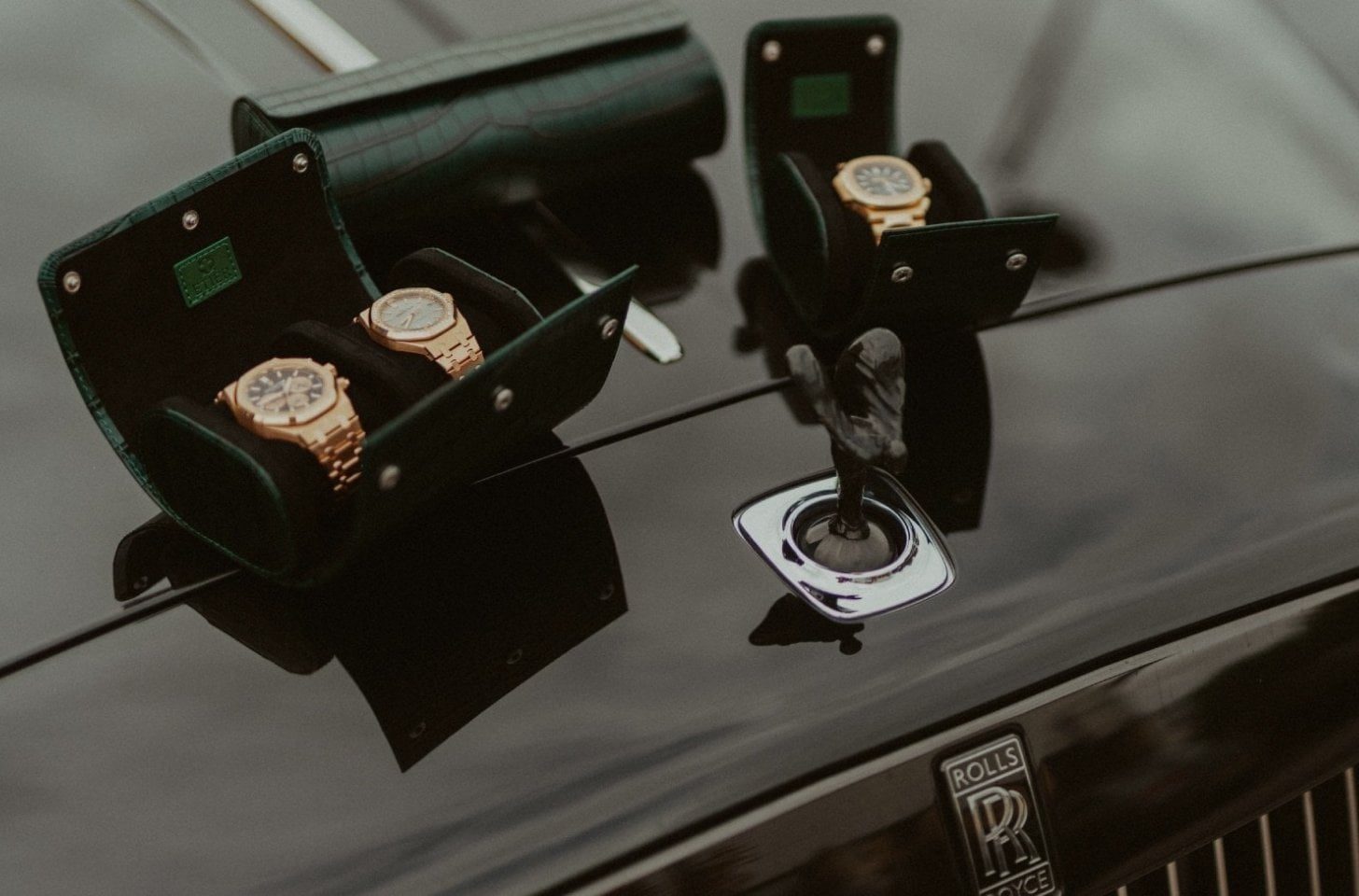
Many other luxury fashion labels – including Louis Vuitton, Gucci, Zegna, Dior, and Celine – also offer off-the-rack and custom crocodile leather pieces, ranging from trench coats and satchels to sneakers and iPhone cases. It can also be found across custom car interiors, bespoke furnishings, and high-end accessories from superbrands such as Bottega Veneta, Rubeus, and Cartier.
THE RARITY OF HIGH QUALITY CROCODILE SKIN MEANS THAT ITS ACCOUNTS FOR LESS THAN 1% OF ALL LEATHER USED WORLDWIDE, ELEVATING ITS ALLURE AMONG DISCERNING CLIENTELE

A MODERN TAKE
Although a select number of labels continue to harvest genuine crocodile skin for their collections, over the last decade a growing number of fashion houses have ended use of all exotic leathers over concerns around animal welfare and environmental impact. Instead, high profile brands such as Chanel, Vivienne Westwood, Mulberry, Paul Smith, Diane von Furstenberg, and Burberry opt for alternatives that mimic the look and feel of the scarce material, which is now possible thanks to advancements in production techniques.
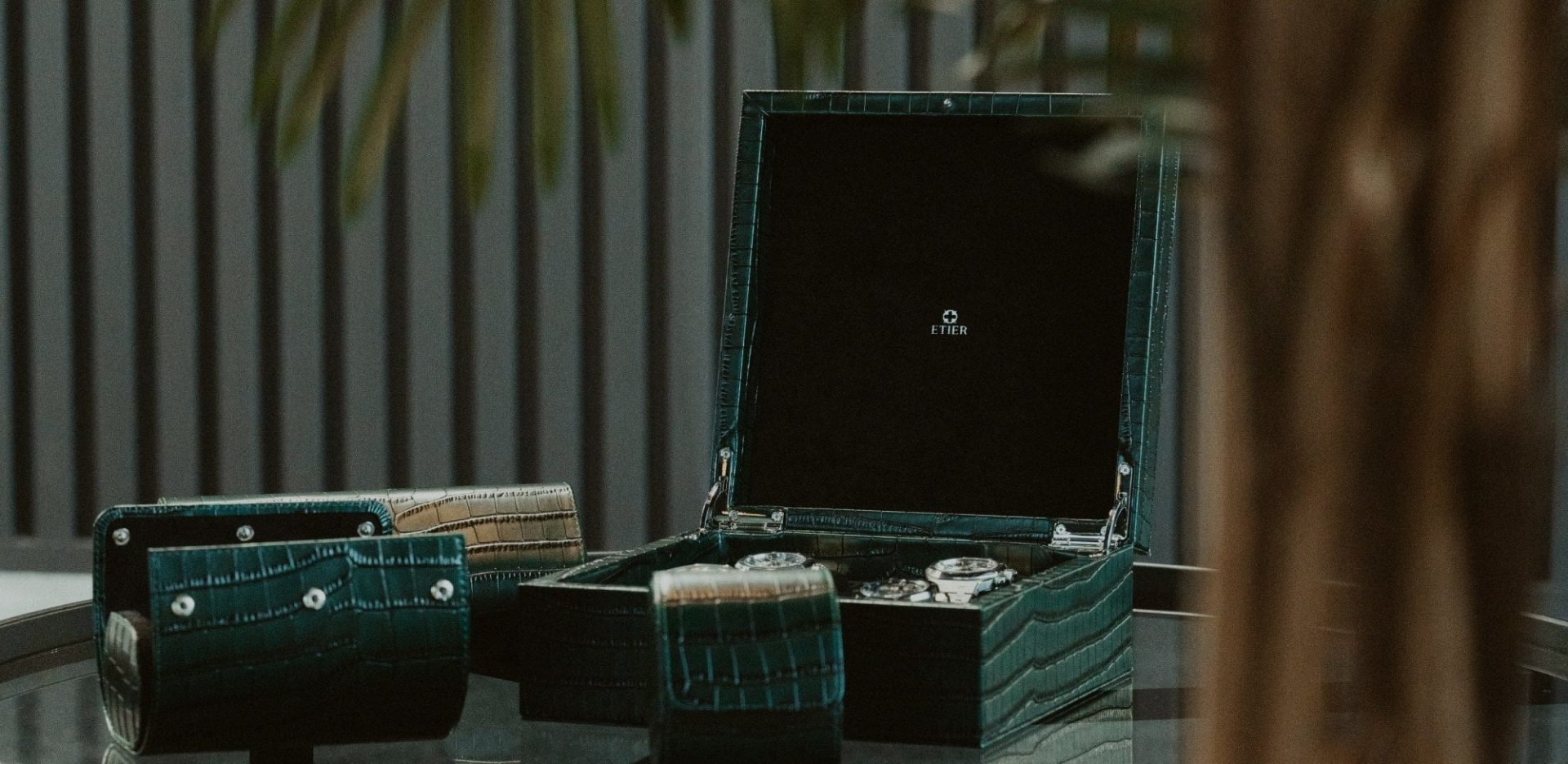
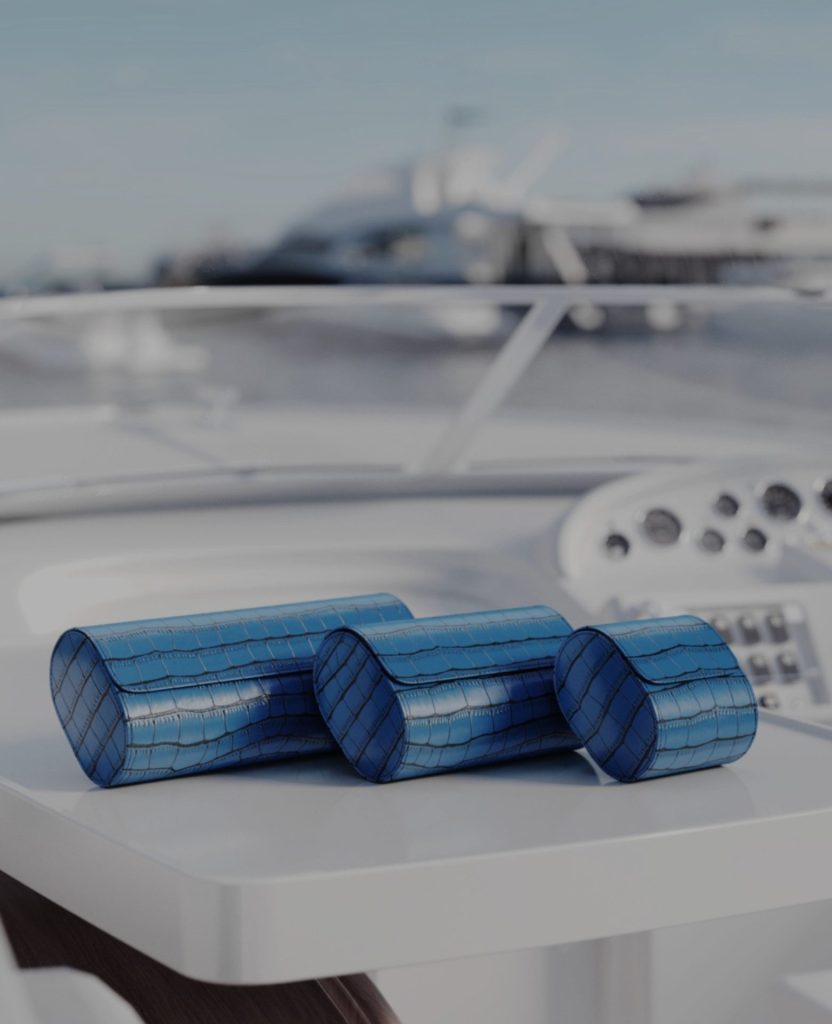
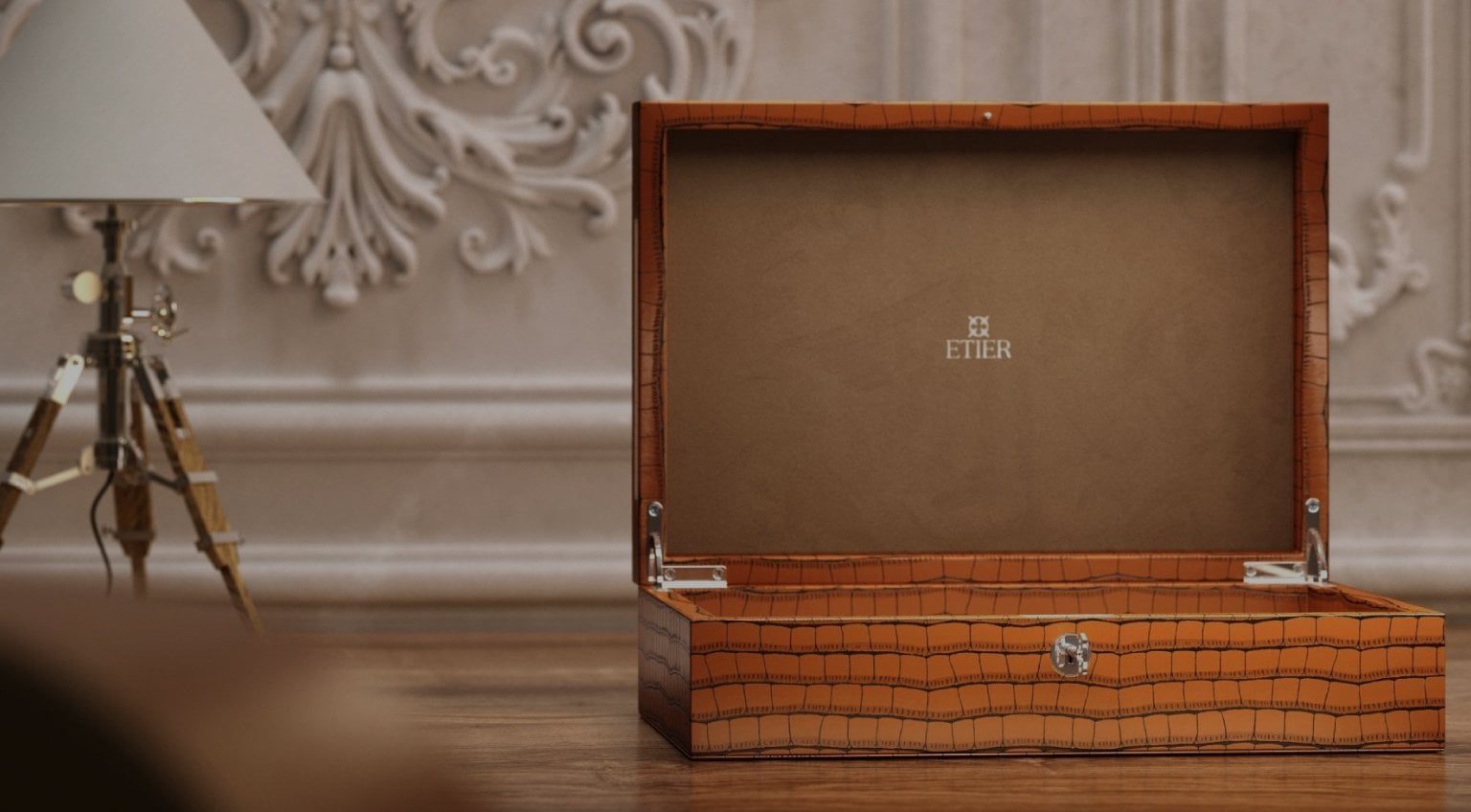
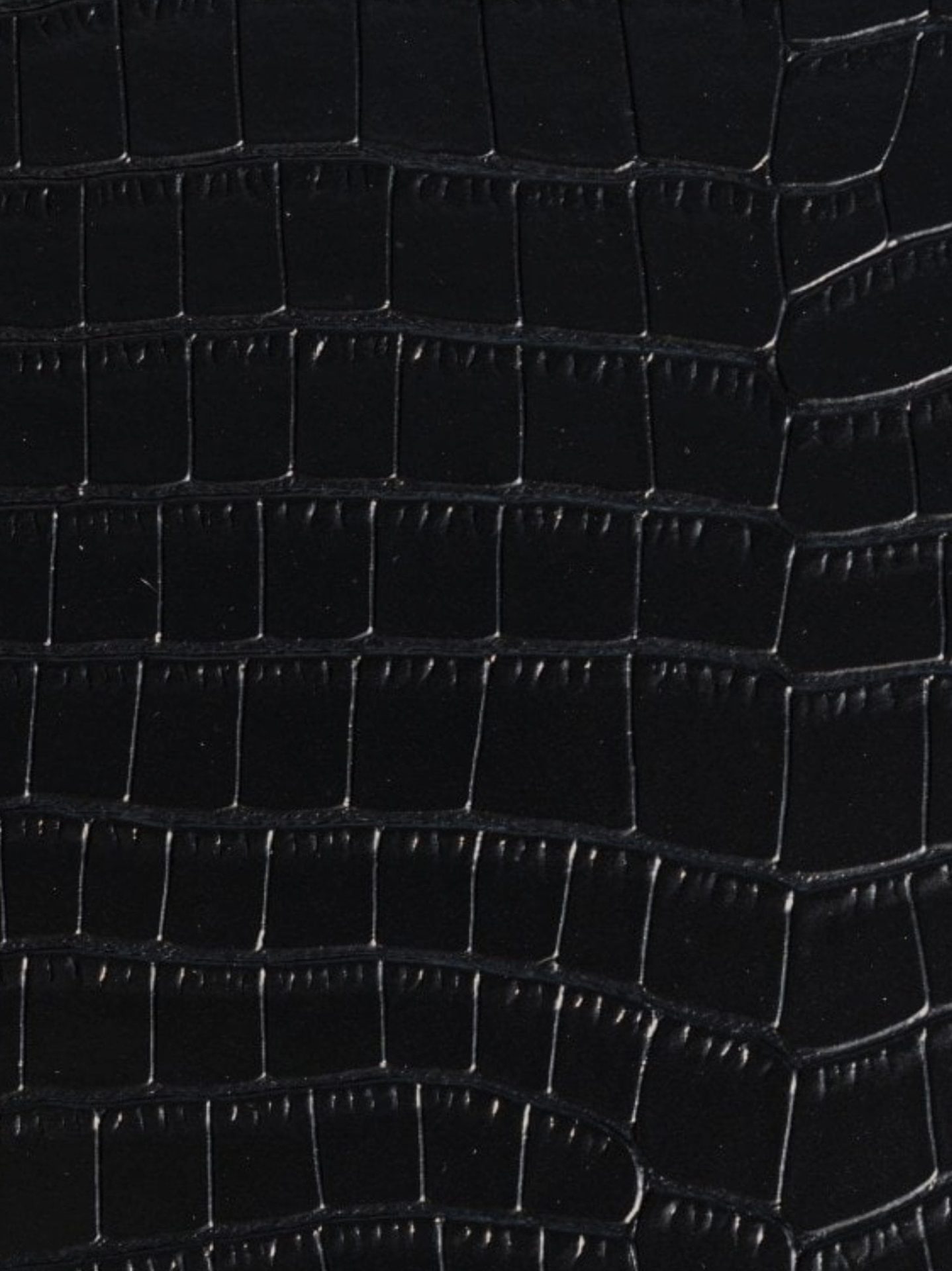
As well as synthetic or plant-based leathers such as those championed by Stella McCartney, crocodile embossed leather – which is featured throughout our own collections of luxury leather goods – is almost indistinguishable in terms of aesthetic and finish. Easier to maintain than exotic skins, embossed leather is also a more sustainable and ethical option, giving you lasting softness, strength, and durability, as well as the distinct polygon patterning that’s synonymous with the revered, and once worshipped, crocodile.